What Pool Supplies You Really Need For Stress-free Maintenance On The Gold Coast
If you have just bought a home with a pool, or you are taking over the maintenance for the first time, the number of products on the shelf at any pool shop can feel overwhelming. The truth is that the list of essential pool supplies for a standard backyard pool is shorter than the industry would have you believe, and a few of the things marketed as must-haves are genuinely not worth buying for most pools.
Here is the honest version: what you actually need, what you can skip, and why the Gold Coast’s climate changes the priority order compared to what you’d read in a generic national guide.
The Short Answer: The 6 Pool Supplies You Actually Need
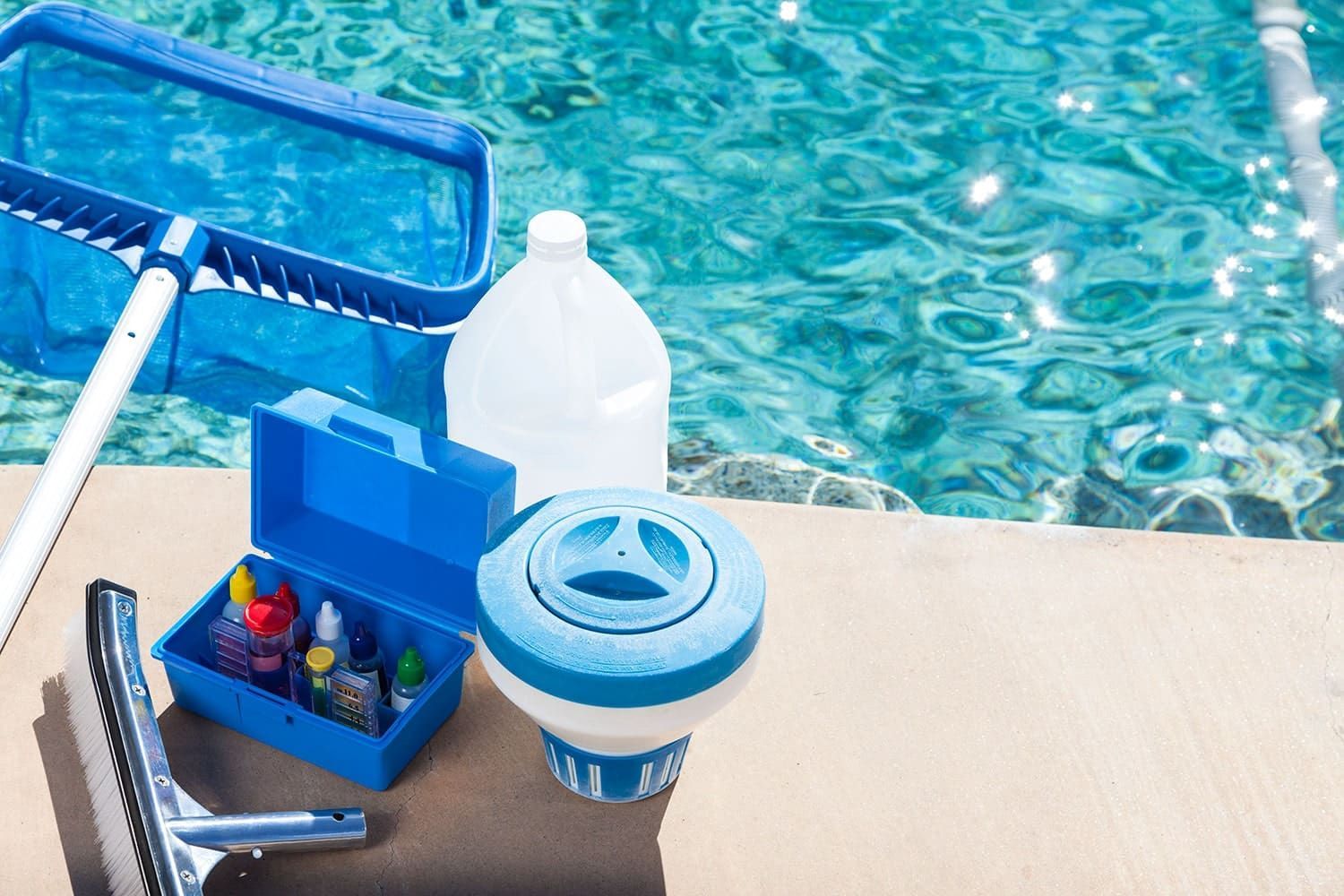
Before we go into the detail, here is the short list. These are the essential pool supplies for a standard backyard pool on the Gold Coast:
- Chlorine (granular or liquid, matched to your pool type)
- Stabiliser (cyanuric acid) — this is the Gold Coast-specific one that most starter kits undervalue
- pH adjustment products (pH Down and pH Up)
- A water test kit (not strips — more on that below)
- Brush, telescopic pole and manual vac head
- Clarifier or flocculant for storm recovery
Everything else is either optional, situational, or something you can add in month two or three once you understand your pool’s specific demands.
What Pool Chemicals Do You Need for a Backyard Pool?
Chlorine is obvious, but the chemical Gold Coast pool owners most consistently underestimate is stabiliser (cyanuric acid). Under high UV, unstabilised chlorine degrades so rapidly you can dose correctly and still have a green pool by Thursday. Target range is 30 to 50 ppm. Below that, you're burning through chlorine unnecessarily. Above 80 to 100 ppm, you hit chlorine lock, where the stabiliser itself inhibits the chlorine.
The core chemical kit:
- Chlorine granules or liquid chlorine (stabilised chlorine already contains cyanuric acid, which matters when calculating your top-ups)
- Stabiliser (cyanuric acid), if your levels are low
- pH Down (dry acid or muriatic acid) and pH Up (sodium carbonate) to keep pH between 7.2 and 7.6
- Total alkalinity increaser, if your TA falls below 80 ppm
- Calcium hardness increaser, if your hardness is below 200 ppm (particularly relevant for fibreglass pools)
- Algaecide as a monthly maintenance dose in summer
Chemicals are where most of your ongoing spend goes, so it pays to understand why you’re adding each one. Our full guide to choosing the right pool chemicals covers the reasoning behind each parameter.
Do You Need a Test Kit, or Are Test Strips Good Enough?
Strips are fine as a weekly ‘is everything roughly okay’ check. They are not reliable enough to base a chemical dose on. The problem is that strips give you a colour match against a printed card, which is affected by your lighting conditions, how old the strips are and how steady your hand is when reading them. For free chlorine and pH, they’re acceptable. For cyanuric acid, total alkalinity and calcium hardness, they are genuinely unreliable.
The better approach:
use a liquid reagent drop-test kit at home for weekly checks of free chlorine and pH. Bring a water sample in for a full photometric analysis once per season or before adding an expensive corrective chemical. The in-store test gives you results you can rely on before committing to a treatment.
Do Saltwater Pools Need Different Supplies to Chlorine Pools?
This is one of the most common misconceptions we see. Salt pool owners often believe the chlorinator means they don’t need chemicals. In practice, a salt chlorinator generates chlorine from the salt in your water — it does not manage pH, stabiliser, alkalinity or calcium hardness. You still need all of those.
What salt pools need that chlorine pools don’t: attention to the salt cell. Cells scale up with calcium deposits in warmer water, and a blocked cell stops producing chlorine efficiently. Inspect every three to four months, descale as needed, and budget for replacement every three to five years. The cell is a consumable, not a set-and-forget component.
Manual Brush and Vac or a Robotic Cleaner: Which Is Worth It?
For most standard backyard pools with moderate leaf fall, a brush, telescopic pole and manual vac head is all you need. Brushing the walls and floor twice a week takes about ten minutes and keeps algae from establishing on surfaces. Manual vacuuming once a week handles the settled debris. This setup costs a fraction of a robotic cleaner and has no parts to service or replace.
A robotic cleaner makes sense when you have heavy leaf litter, a pool that accumulates fine debris faster than weekly vacuuming handles, or you're time-poor. For a small suburban pool with moderate leaf fall, a robot is a convenience, not a necessity.
If your pool does need a cleaner upgrade or a salt cell replacement, our pool equipment installation service handles the swap.
What Extra Supplies Should Gold Coast Pool Owners Keep for Storm Season?
November through March means storms, debris, algae blooms from reduced UV, and chemical dilution from heavy rain. Clarifier and flocculant sell out across South East Queensland the week after a major event, when everyone is dealing with the same storm at once.
Keep these on hand before storm season starts, not after the first big event:
- Clarifier (for light post-storm cloudiness, works through the filter)
- Flocculant (for heavy debris load or algae bloom; requires vacuuming to waste rather than through the filter, so check your filter bypass before you need it)
- A spare filter cartridge or sand filter O-ring set, depending on your filter type
- A leaf rake with a fine-mesh bag — standard leaf rakes miss fine debris and pollen
- Shock dose (calcium hypochlorite or high-strength liquid chlorine) for rapid chlorine recovery after dilution
When storms pass and temperatures drop later in the season, the maintenance priorities shift. Our guide to maintaining your pool during winter covers what to do when the swim season winds down.
What Does It Realistically Cost to Keep a Pool Stocked Each Month?
Cost depends on pool size, current condition and whether you are establishing balance from scratch or maintaining it. From testing water in-store every day, the pattern is consistent: chemical spend is highest when cyanuric acid or pH is out of range, because everything else stops working properly.
A well-balanced pool costs significantly less to maintain than one chasing its chemistry. The test kit is the cheapest item on the essential pool supplies list and saves the most money by preventing over-dosing. Month one spend is higher because you are establishing your baseline. Once the chemistry is stable, ongoing costs are modest.
For accurate cost guidance for your specific pool volume, bring in a water sample and we’ll give you a realistic picture of what your starting kit should cost.
Frequently Asked Questions About Pool Supplies
Not Sure What Your Pool Actually Needs?
Bring a water sample to our pool shop on the Gold Coast and we’ll test it on the spot and put together an essential pool supplies list sized to your specific pool. No charge for the water test, no pressure to buy everything at once.
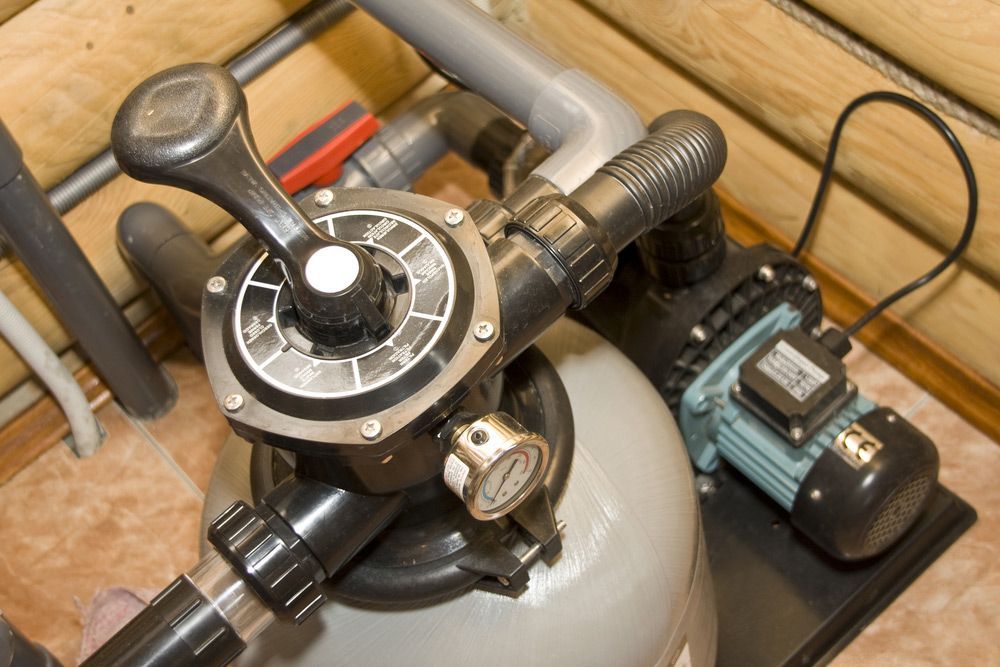
Once you have the chemical side sorted, it’s worth understanding how the equipment behind it all works. Dazzling Blue Pool and Spa Shop's guide to keeping your pump and filter running efficiently is a good next read.