How to Choose the Right Pool Chemicals for Your Backyard Pool
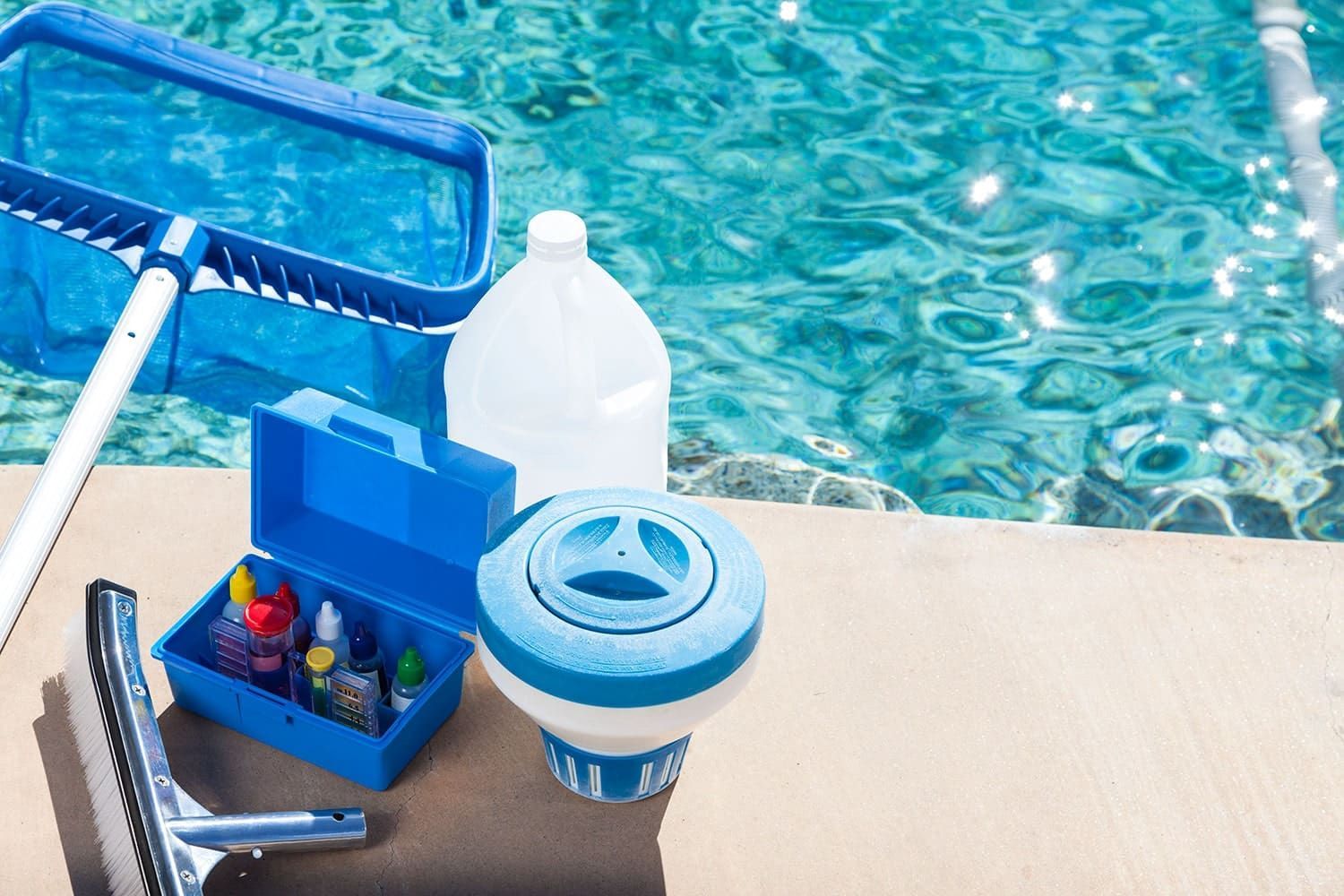
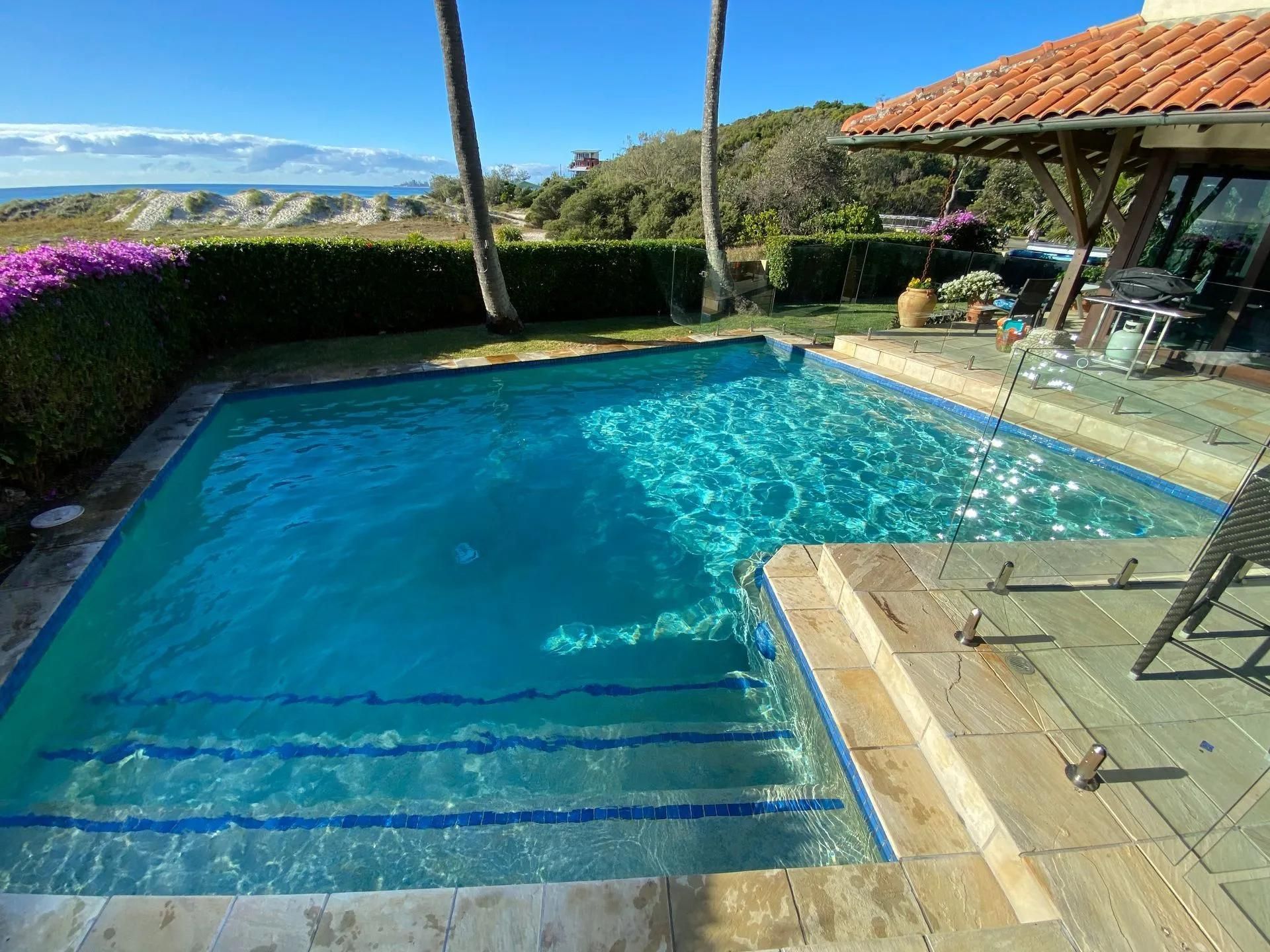
Owning a backyard pool is one of the genuine pleasures of the Queensland lifestyle, but keeping that water clean, clear and safe takes more than a weekly scoop of the net. The chemistry behind a healthy pool can feel overwhelming at first, especially when you're standing in front of a shelf stacked with sanitisers, balancers, algaecides and shock treatments. Knowing what each product does, and when to use it, makes the difference between water you want to swim in and water you won't go near. Visiting a pool shop on the Gold Coast is one of the most reliable ways to get product-specific advice tailored to your pool's size, surface type and usage patterns.
Why Water Balance Is the Foundation of Everything
Before you add a single chemical to your pool, understanding water balance is essential. pH, alkalinity and calcium hardness work together as a system. When one drifts out of range, the others follow, and suddenly no amount of chlorine is doing its job properly.
Start by getting these three parameters right:
- pH, which should sit between 7.2 and 7.6 for effective sanitisation and swimmer comfort.
- Total alkalinity, which acts as a buffer for pH and should generally be maintained between 80 and 120 parts per million.
- Calcium hardness, which protects your pool surface and equipment from corrosion or scaling.
Every other chemical you add will perform far better once these three are in range.
Chlorine: Understanding Your Options Before You Buy
Chlorine remains the most widely used pool sanitiser in Australia, but it doesn't come in a single form. Liquid chlorine, granular chlorine, stabilised tablets and salt chlorination systems all deliver sanitisation differently, and choosing the wrong format for your setup creates more problems than it solves.
Your main options include:
- Liquid chlorine, which works fast but dissipates quickly, making it better suited to shock dosing than ongoing maintenance.
- Stabilised granular or tablet chlorine, which contains cyanuric acid to slow UV breakdown, particularly important for outdoor pools in Queensland's intense sun.
- Salt chlorinators, which generate chlorine continuously from dissolved salt, reducing the need for manual dosing but still requiring regular testing.
The best format depends on your pool type, how often it's used and whether you're managing it yourself or working with a professional service.
What Cyanuric Acid Does & When It Becomes a Problem
Cyanuric acid, often called a chlorine stabiliser or conditioner, protects chlorine molecules from UV radiation. In Queensland's climate, an unprotected outdoor pool can lose a significant portion of its chlorine within hours of dosing. Levels that climb too high, however, reduce chlorine's ability to sanitise effectively.
Keep the following in mind:
- Recommended levels sit between 30 and 50 parts per million for outdoor pools.
- Levels above 80 parts per million significantly reduce chlorine effectiveness even when chlorine readings appear normal.
- The only reliable remedy for high cyanuric acid is partial water replacement, as no chemical product removes it.
Regular testing that includes cyanuric acid, not just pH and chlorine, gives you a much more accurate picture of your pool's health.
Shock Treatment: What It Is & When Your Pool Actually Needs It
Pool shock involves adding a large dose of chlorine or non-chlorine oxidiser to break down contaminants that routine sanitisation misses. Many pool owners shock too infrequently or skip it entirely until the water becomes visibly cloudy.
Plan to shock your pool when:
- Heavy use, prolonged rain or a high bather load has introduced more contaminants than routine sanitisation can handle.
- Chlorine-based shock is needed to raise free chlorine levels, requiring swimmers to stay out for a period after treatment.
- Non-chlorine shock is preferred where re-entry time is a priority, as it oxidises contaminants without significantly raising chlorine levels.
Shock treatment is a maintenance step, not an emergency measure, and making it a regular habit keeps water consistently clear.
Algaecides: Preventing the Problem Rather Than Reacting to It
Green, yellow or black algae can take hold in a pool within days, particularly during Queensland's warm months. Algaecides work best as a preventive tool rather than a cure once an outbreak has established itself. If you're unsure which product suits your pool, the team at your local pool shop on the Gold Coast can point you in the right direction.
There are a few product differences worth knowing:
- Copper-based algaecides are effective but can cause staining if dosed incorrectly, particularly in pools with fibreglass surfaces or salt chlorination systems.
- Polyquat algaecides are non-foaming and compatible with most pool types, making them a reliable option for regular preventive use.
- Algaecides should be added after shocking the pool, not before, to ensure maximum effectiveness.
A consistent dosing schedule through the warmer months reduces the risk of algae taking hold and cuts down on reactive treatments that disrupt your pool's chemistry.
How to Read a Pool Test Result Accurately
Testing your pool water and acting on the results correctly are two different skills. A test kit showing a pH of 7.8 and a chlorine level of 0.5 parts per million tells you the pool is out of balance, but acting without understanding the relationship between those numbers can send you in the wrong direction.
Good habits to adopt include:
- Checking free chlorine and combined chlorine separately, as together they give a more useful picture than a total chlorine figure alone.
- Testing at the same time of day and from the same depth for more consistent results.
- Sending water samples for computerised analysis when manual test kits aren't giving you a clear answer.
Understanding what you're reading, not just what the numbers are, is what allows you to make corrections that actually work.
Common Mistakes That Make Pool Chemistry Harder Than It Needs to Be
Most pool water problems stem from a small number of recurring errors. Overdosing, underdosing, adding chemicals in the wrong order and failing to test consistently are the culprits behind the majority of cloudy or irritating pool water complaints.
Watch out for these common pitfalls:
- Adding chemicals directly on top of each other without allowing time for dispersion, which can cause dangerous reactions and uneven distribution.
- Testing only when the water looks off, which means problems are already established before corrective action begins.
- Using cheap or improperly stored chemicals, which reduces efficacy and can introduce impurities that complicate water balance.
A simple weekly routine around testing, balancing and sanitising removes most of the guesswork and prevents compounding issues.
Talk to a Local Expert Who Knows Gold Coast Pools
We at Dazzling Blue Pool & Spa Shop understand that no two backyard pools are exactly the same. Water chemistry on the Gold Coast is influenced by local conditions, seasonal temperature swings and the heavy usage that comes with a year-round outdoor lifestyle. Whether you're dealing with a persistent algae problem, cloudy water or a chemistry reading that doesn't make sense, our team is here to help. Get in touch with us today and let a trusted pool shop on the Gold Coast help you get your pool looking its best.